Empowering C-Suite with carbon accounting solutions

C Suite executives can apply carbon accounting to achieve strategic objectives and strengthen bottom-line profits.  Business leaders may recognise how critical carbon accounting is to complying with sustainability legislation and supporting emissions reduction plans. However, business leaders can apply emissions data to enhance benefits beyond compliance and sustainability. CFOs and senior executives can use carbon […]

C Suite executives can apply carbon accounting to achieve strategic objectives and strengthen bottom-line profits. 

Business leaders may recognise how critical carbon accounting is to complying with sustainability legislation and supporting emissions reduction plans. However, business leaders can apply emissions data to enhance benefits beyond compliance and sustainability. CFOs and senior executives can use carbon accounting to improve their business outcomes.

Carbon accounting refers to a process of calculating emissions emitted by an organisation. Similar to financial accounting, carbon accounting quantifies the impact of business processes, monitoring climate impact instead of financial impact. Carbon accounting is critical for businesses to recognise environmental impacts, ensure reporting requirements are achieved, and determine any opportunities for carbon reduction. 

Many companies are already under pressure to disclose carbon emissions, and new legislations are appearing. Regulations like the Corporate Sustainability Reporting Directive (CSRD) and the Streamlined Energy and Carbon Reporting (SECR) have mandated emission reporting for companies across multiple industries. This means carbon accounting is a necessity for many and a critical tool for CFOs managing the overall compliance process. 

Aside from compliance, CFOs can use carbon accounting to generate other benefits. Carbon accounting is a solution to reduce risk in business planning by removing any issues in record management and monitoring any possible problem areas. Rigorous carbon accounting enables risk-free auditing, which could show non-compliance or potential greenwashing without the necessary systems.

When companies use carbon accounting to determine emissions, the generated map of emissions hotspots can distinguish high energy areas, inefficient supplies and other supply chain challenges. This information can be applied to create cost-saving solutions, better supplier agreements and lower energy bills. According to McKinsey, these processes can improve profits by up to 60%.

This potential to be more efficient with compliance, reducing costs and lowering risk frees up resources and time for CFOs to apply in focusing on their overall financial strategy.

A detailed carbon emission profile can determine operational inefficiencies, providing targeted opportunities for improvements and cost reductions. By applying the detailed insights from carbon accounting, businesses can deliver measures such as investing in renewables or choosing low-risk service providers to generate a more efficient and resilient value chain.

Furthermore, businesses can attract and retain employees by applying sustainability measures and strategies revealed by carbon accounting. According to studies, 67% of employees are more willing to apply for jobs at sustainable businesses, and 68% are more willing to accept employment offers. By managing the development of carbon accounting-focused sustainability plans in recruitment and employer branding, COOs can decide how attractive their business is to potential talent. 

CEOs have a critical role in adopting and deploying carbon accounting processes. The leadership of the CEO is vital in aligning carbon accounting with the overall strategy, the culture and operations. Failing to adhere to decarbonisation plans will impact overall profitability. CEOs who deploy carbon accounting will empower businesses to achieve climate goals, build brand reputation and attract new talent. This enables leaders to strengthen the valuation of their organisation and improve shareholder expectations. A separate study from McKinsey discovered that investors are willing to pay 10% more for an organisation with a positive ESG strategy and record. 

 

Over 80% of CSOs believe closer collaboration with C-Suite will enable sustainability goals

The CSO has reached a critical point, with chief sustainability officers (CSOs), facing a range of new challenges and opportunities. CSOs have experienced a significant shift towards valued leaders within corporate governance, but their rise in responsibilities is shifting priorities from innovation to compliance. Collaborating with business leaders The CSO at Crossroads report produced by […]

The CSO has reached a critical point, with chief sustainability officers (CSOs), facing a range of new challenges and opportunities. CSOs have experienced a significant shift towards valued leaders within corporate governance, but their rise in responsibilities is shifting priorities from innovation to compliance.

Collaborating with business leaders

The CSO at Crossroads report produced by BSR suggests that over 80% of CSOs believe collaborating with other C-Suite leaders helps support the progression of sustainability plans. The focus on teamwork within leadership roles is critical for delivering ambitious sustainability goals and aligning these objectives with core business functions. Business leaders explain that sustainability has shifted from the peripheries into a core driver of long-term growth.

The next challenge of balancing innovation and compliance

While there has been clear progress, CSOs are experiencing a growing challenge of balancing regulatory compliance with the need to deliver strategic innovation. Only about 50% of CSOs spend most of their time on high-value activities, as rising compliance requirements are taking more of their time and attention. In the report, several CSOs emphasised that there is more focus on compliance, and a lot of time is allocated towards reporting, reflecting on how these demands can deter long-term innovation.

The Three possible routes for CSOs

Based on the report findings, CSOs have reached a stage and could take several paths forward:

A balanced manager approach – focusing on compliance and risk management, delivering steady progress and improvements.
An integrated and strategic approach – embedding sustainability into corporate strategy, leveraging it for business growth.
Transformative approach – applying sustainability plans to adapt the business model, committed toward innovation and long-term resilience.

Each option represents different ways to manage the rising challenges and opportunities facing CSOs in their evolving roles in an organisation.

New study forecasts battery revenue recovery in 2026

Data from UK company Cornwall Insight indicates profits for battery storage units will progress by 2026 after a period of under performance. The GB Battery Revenue Forecast shows annual revenues for 2 hours assets will increase from £96/kW in 2025 to £108/kW by 2026. This is due to increasing wholesale prices, further price volatility and […]

Data from UK company Cornwall Insight indicates profits for battery storage units will progress by 2026 after a period of under performance. The GB Battery Revenue Forecast shows annual revenues for 2 hours assets will increase from £96/kW in 2025 to £108/kW by 2026. This is due to increasing wholesale prices, further price volatility and a rise in renewable energy development over the last few years.

Joe Camish, lead analyst at Cornwall Insight, explains that after a challenging period for battery asset owners, the consultancy is anticipating a recovery in battery storage revenues over the next few years. This will be a positive development for investors and asset owners, indicating a more secure and sustainable future for battery storage investments in the coming years.

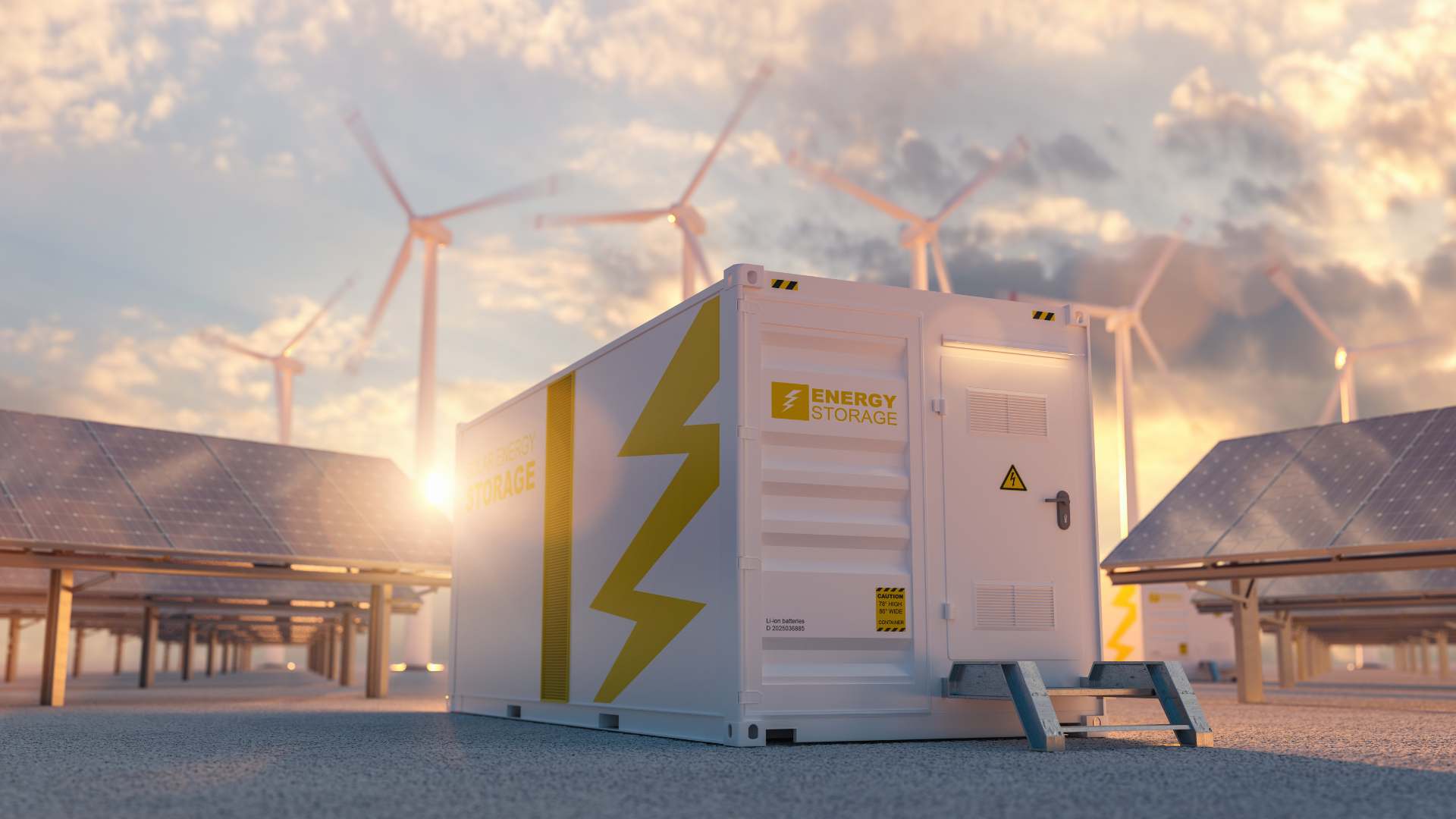
Investment in the battery storage industry will be essential, especially with the newly-created National Energy System Operator’s (NESO) stating that storage capacity in the UK must increase by five times to reach government-based clean energy targets. UK battery revenues reached a peak level in August, according to a report by Modo Energy. The report indicated that battery energy storage systems (BESS) secured the second-highest daily revenue in 2024, achieving a figure of £250/MW.

So far this year, the UK has witnessed prices drop below zero for over 140 hours, exceeding the hours recorded in 2023. Modo also reported back in August that UK BESS systems provided over 600MW of energy to the grid via the Balancing Mechanism (BM), increasing the sale price to £47/MW in addition to the wholesale and frequency response revenues.

UK strengthens battery storage pipeline by over 60% in the last year

The progress of the battery storage industry in the UK is continuing, with reports suggesting that the pipeline of battery storage projects in the UK has increased by two-thirds in capacity over the last year. The EnergyPulse Energy Storage report by RenewableUK indicates that the total pipeline of battery projects has increased from 57.1GW to […]

The progress of the battery storage industry in the UK is continuing, with reports suggesting that the pipeline of battery storage projects in the UK has increased by two-thirds in capacity over the last year. The EnergyPulse Energy Storage report by RenewableUK indicates that the total pipeline of battery projects has increased from 57.1GW to 95.6GW in the last year, representing an increase of over 67%.

The total pipeline of projects includes those already operational, under construction or secured consent and others in the planning stage. Based on data from RenewableUK, over 30GW of capacity has received consent, and an additional 30GW is in the development phase but is yet to be submitted for planning permission. 

The size of individual battery storage projects has continued increasing over the last few years. RenewableUK states that the average project capacity submitted for planning approval has increased from 27MW in 2019 to 80MW, equating to a 196% increase. This capacity rise comes at a time when the battery storage market has prioritised technological advances in an attempt to play a critical role in the UK’s energy transition, providing storage for intermittent supplies of energy from renewables. Further efforts are needed to strengthen the UK Government’s battery strategy and ensure the industry can achieve its expectations.

The battery strategy released at the end of last year states that the UK will require approximately 6GWh of grid storage capacity by 2040 to satisfy the demand level. Grid-scale battery energy storage systems (BESS) are viewed by the Government to be a vital part of battery technology, and RenewableUK believes battery storage will play a critical role in the UK’s energy transition.

Barnaby Wharton, director of future electricity systems at RenewableUK, explained that batteries play a vital role in ensuring electricity supply continues to meet demand. Wharton admits that while battery projects have increased, the industry still has a way to 55GW of short-term flexibility the Government stated we require by 2035. Wharton believes the UK can accelerate this uptake by speeding up the consenting and connecting vital energy storage projects to the grid.

The latest report indicates that, by building more battery projects along with onshore wind and solar, the electricity system costs will be reduced by sharing land and grid connections, which will benefit billpayers. 

By strengthening the planning system and introducing financial support measures to encourage more battery projects to be based at sites where clean electricity is generated, we can lower the building and operational costs of batteries considerably.

Transforming climate action plans for businesses

The recent CxO Sustainability Report by Deloitte explored the thoughts of over 2000 business leaders and their strategies associated with sustainability and climate change. The results showed that executives recognise the benefits and opportunities of taking action and emphasise how critical sustainability is for the business agenda. While there are some concerns that sustainability activities […]

The recent CxO Sustainability Report by Deloitte explored the thoughts of over 2000 business leaders and their strategies associated with sustainability and climate change. The results showed that executives recognise the benefits and opportunities of taking action and emphasise how critical sustainability is for the business agenda.

While there are some concerns that sustainability activities in businesses may be declining, the Deloitte report suggests a significant increase in investment in sustainability plans and that climate action is becoming a core part of overall business strategies. 

According to the report, climate change continues to be one of the top 3 priorities for executives, exceeding political uncertainty, supply chain issues and talent competition. 

Global leaders are prioritising and increasing sustainability-based investments, with 85% reporting a rise in investments. Senior executives expect climate change to impact their overall plans and operations over the next few years, with 70% expecting a considerable impact. Nealy 50 of respondents stated that they are adapting their business model to integrate climate change and sustainability as a pivotal part of their overall strategy.

Businesses recognise the potential for generative value in the movement towards a low-carbon economy. More business leaders are pointing to sustainability as a reason for new products and new business models, rather than a compliance-based necessity. 

Executives are seeing fewer trade-offs between business progress and climate action. Over 90% of leaders believe their organisation can continue to grow while reducing their emissions. A similar figure considers they can achieve economic growth while reaching our climate goals. 

According to the report, the most anticipated benefit of climate action business leaders expect to see is innovation around services and operations. Climate action is a driving force for innovation. Innovation and technology investment are integrated drivers of sustainability plans, enabling companies to present solutions highlighting the potential for new services that provide environmental and business benefits.

Nearly half of business leaders have implemented technological solutions to support their climate or environmental goals, with another 40% expecting to do this in the next few years. Over half of these figures are already implementing technology and believe they are using it to create more sustainable services.

Sustainability is a critical part of the business agenda, but the response toward climate action varies greatly. While leading companies and driving significant changes, many businesses have taken few, if any, decisive steps. This slow approach could leave many at a distinctive competitive disadvantage as we move towards a net-zero economy.

Despite the reported impact of climate change on business operations and strategy, many companies (about 27%, according to the report) have taken little or no decisive action. More than half of businesses surveyed focused on two or three critical measures. Many of these businesses can be placed in two categories – those focused on sustainability and others committed to becoming a sustainable business, tackling their environmental impact.

The report shows an overview of the current climate action taken with executives and the potential of those not taking decisive steps. Other organisations must consider what action they can take, the challenges and the lessons they can learn from leading businesses to create a broader and strategic plan to generate value.

UK and Germany strengthen R&D plans for clean energy market

The UK and Germany have enhanced their partnership in science, research and innovation with new and creative plans. In a recent meeting, the UK Science Minister Michelle Donelan and German representative Bettina Stark-Watzinger formed a joint declaration committing both nations to strengthening their science and technology partnerships. The plan includes creating a dedicated task force […]

The UK and Germany have enhanced their partnership in science, research and innovation with new and creative plans. In a recent meeting, the UK Science Minister Michelle Donelan and German representative Bettina Stark-Watzinger formed a joint declaration committing both nations to strengthening their science and technology partnerships.

The plan includes creating a dedicated task force to ensure ambitious plans are converted into structured projects in emerging and critical industries like clean energy, AI and security. To drive the partnership forward, the UK is allocating part of the International Science Partnerships Fund to support collaborative projects between Germany and the UK. Other groups, including the British Academy and the German-based Alexander Von Humboldtz Foundation, are contributing over the next few years to support the younger generation in their education pathways.

Donelan explains that by supporting the next generation and ensuring leading organisations work together, we can strengthen the opportunities to deliver new jobs and build businesses. Stark-Watzinger highlighted the necessity for Germany and the UK to take action, explaining that with our current challenges, it’s critical that both nations work together and focus on delivering joint research solutions.
These challenges include the climate crisis and energy security to emerging technologies, like artificial intelligence.

By combining resources, talent and experience, the UK and Germany hope they can accelerate developments to enable both nations to tackle these challenges. While there are some concerns regarding a possible refocus of priorities impacting domestic research plans, the hope is the agreement will strengthen the entire research ecosystem.

The latest announcement comes after a number of agreements between Germany and the UK. Last year, both countries confirmed a partnership to accelerate the deployment of low-carbon hydrogen technologies. This agreement intends to create a leading hydrogen market, generate new jobs and support additional investment in the low-carbon industry. The plan consists of five collaborative measures, including accelerating hydrogen projects, creating a leadership stance on hydrogen markets and supporting trade in hydrogen-based goods, technologies and services.

Further partnerships include the agreement between Imperial College London and Technical University Munich, launching the Imperial-TUM Zero Pollution Advanced Fund, and strengthening research plans in the clean tech industry.

UK generating green opportunities to compensate for a smaller oil and gas market

A quarter of renewable energy professionals worldwide have secured a significant pay rise in the last year, as the industry focused on reducing talent from leaving the market to pursue other opportunities in technology or fossil fuels, as their skills continue to be in more demand. The latest Global Energy Talent Index (GETI) explored the […]

A quarter of renewable energy professionals worldwide have secured a significant pay rise in the last year, as the industry focused on reducing talent from leaving the market to pursue other opportunities in technology or fossil fuels, as their skills continue to be in more demand.

The latest Global Energy Talent Index (GETI) explored the opinions of 12,000 energy industry professionals and discovered that an increasing green skills gap is putting individuals with renewable energy experience in even more demand. The study found that just over 50% of low-carbon energy professionals secured a pay rise last year, and 24% of the workforce stated that the increase exceeded 5%. The increases were recorded as more significant and frequent for engineers and hiring managers.

Confidence in salary was also high in the report despite the current economic challenges, with over 65% of clean energy professionals expecting a pay rise before the end of the year. For a large majority, the average pay remains the highest in North America for contract-based positions and in Australasia for in-house professionals. The report believes this trend in salary increases is partly the requirement for pay to maintain pace with rising inflation and interest rates and with businesses focusing on retaining and supporting employees during economic challenges. The other influential factor is the increased competition for green talent.

Over 30% of clean energy professionals stated they had been headhunted six or more times in the last year, and 40% said they were open to moving to another energy market. The power market was considered the most popular for a possible move, but 40% stated they would be willing to work in the oil and gas industry.

Transforming markets with digital technology

The study discovered that technology is considered the top industry of choice for a career change for clean energy professionals. Over 30% of respondents said they would consider moving to a technology business. The report explains that the digitalisation of renewables is creating an overlap of skills with the technology market, including rapidly emerging skills associated with artificial intelligence (AI). Over 33% of renewable energy professionals use AI often at work, with adoption levels higher than in other energy markets. A further 13% intend to adopt AI technologies this year.

The most popular application of AI in renewables is the automation of project management processes, like staff collaboration. Many companies are utilising data analytics to strengthen energy production and energy efficiency. Many respondents in the study stated that they consider AI adoption as beneficial for their skills and career development. 60% believe AI will improve career progression and think AI will be a critical supportive tool at work rather than a replacement for human capabilities.

The renewables industry welcomes the benefits of AI, with many businesses enhancing performance and inspiring others to follow a similar path. In a rapidly evolving sector, individuals are actively exploring new technologies to enable further progression and improve their work-life balance. Renewable energy businesses will need to stay connected with AI to retain talent. 

SolarPower Europe believe action plan required to support regional solar market

SolarPower Europe recently warned that time is running out to support European solar manufacturers and is urging decisive action. The trade association announced their concerns after a statement by the EU Finance Commissioner Mairead McGuinness in the European Parliament, highlighting the pricing crisis facing the European solar industry. SolarPower Europe explained that the Commission will […]

SolarPower Europe recently warned that time is running out to support European solar manufacturers and is urging decisive action. The trade association announced their concerns after a statement by the EU Finance Commissioner Mairead McGuinness in the European Parliament, highlighting the pricing crisis facing the European solar industry.

SolarPower Europe explained that the Commission will explore the impact of potential trade measures against European climate targets, bearing in mind that EU solar deployment targets rely on imports.

Walburga Hemetsberger, the CEO of SolarPower Europe, explains that history shows that trade defence measures didn’t necessarily revive the reshoring of solar manufacturing and came at a time when there were declines in solar deployment. Hemetsberger believes there are more stable solutions on offer. According to the CEO of SolarPower Europe, significant European plans for wind and hydrogen, SolarPower Europe is urging a specific EU Solar Charter.

The landscape for European solar manufacturers has changed since the introduction of the EU Solar Strategy in May 2022, with manufacturers now facing financial difficulties and requesting more support and better assistance. Hemetsberger recognises the acknowledgement of the Commissioner’s views on the role of the Net-Zero Industry Act and the EU Solar Strategy but believes further action is needed to support EU solar manufacturing.

The German industry is calling for a resilience plan for solar facilities developed with components manufactured in Europe and investment incentives for delivering new solar manufacturing sites to assist local manufacturers and reduce the dependence on China.

The action taken by the Federal Association of the Energy and Water Industry (BDEW) came after several businesses announced plans to close production facilities in Germany due to a lack of government assistance due to expansion plans for the US, lured by the benefits within the Inflation Reduction Act (IRA).

Rising demand for green leadership skills as sustainability becomes core focus

Climate change and sustainability have become top priorities for global leaders and businesses. This focus influences discussions and strategies towards energy transition, driving us closer toward a green industry future. Environmental, social and corporate governance (ESG) processes are now critical skills for current and new leaders, and sustainability-focused positions are evolving. Chief sustainability officers, ESG […]

Climate change and sustainability have become top priorities for global leaders and businesses. This focus influences discussions and strategies towards energy transition, driving us closer toward a green industry future. Environmental, social and corporate governance (ESG) processes are now critical skills for current and new leaders, and sustainability-focused positions are evolving.

Chief sustainability officers, ESG professionals, CSR managers and experts in sustainable supply chains are needed to support culture changes, drive long-term plans and strengthen business sustainability. Furthermore, the rising demand for renewables, electric vehicles, green finance and other sustainability-focused solutions will likely significantly increase the demand for sustainability leadership in the coming years.

At the leadership level, organisations are actively seeking renewable energy professionals. Individuals with diverse backgrounds in EPC, business development, engineering, and design and experts in policies within the solar and wind industries are in high demand. The requirements for green leadership positions vary across sectors.

Whether it be renewable energy in utilities or ESG integration in finance, green leaders must be agile to sector-specific challenges while achieving sustainability. This approach ensures that businesses can remain agile and adaptable in their commitment to environmental and social responsibility while continuing to satisfy the requirements of industry and stakeholders. 

There is rising demand for R&D and tech leaders in battery storage systems, material sciences and individuals with chemical science backgrounds. Another field gaining momentum is digitalisation in the renewables market. The solar and wind sectors continue to be more digitally connected, and analytics is becoming a prominent feature. Senior leaders in technology, cloud, data science and data security will rise in demand as more C-Suite positions open within the industry.

Green hydrogen will become a focus area in the coming years, requiring leaders in manufacturing, supply chain & procurement, project management and professionals in material sciences and chemical processes. According to industry experts, success in these emerging positions will depend on a combination of sustainability experience, strategic and creative thinking, data knowledge, agility and strong communication skills. Furthermore, experience in supply chain management, a strong understanding of the circular economy and stakeholder engagement are critical to support the sustainability goals of a business. 

One key challenge with emerging sustainability roles is the availability of talent with the necessary experience and background in some specific areas like solar modules or electrolyser manufacturing. The availability of talent at the leadership level in renewable energy is a priority focus area for the future success of climate and sustainability plans.